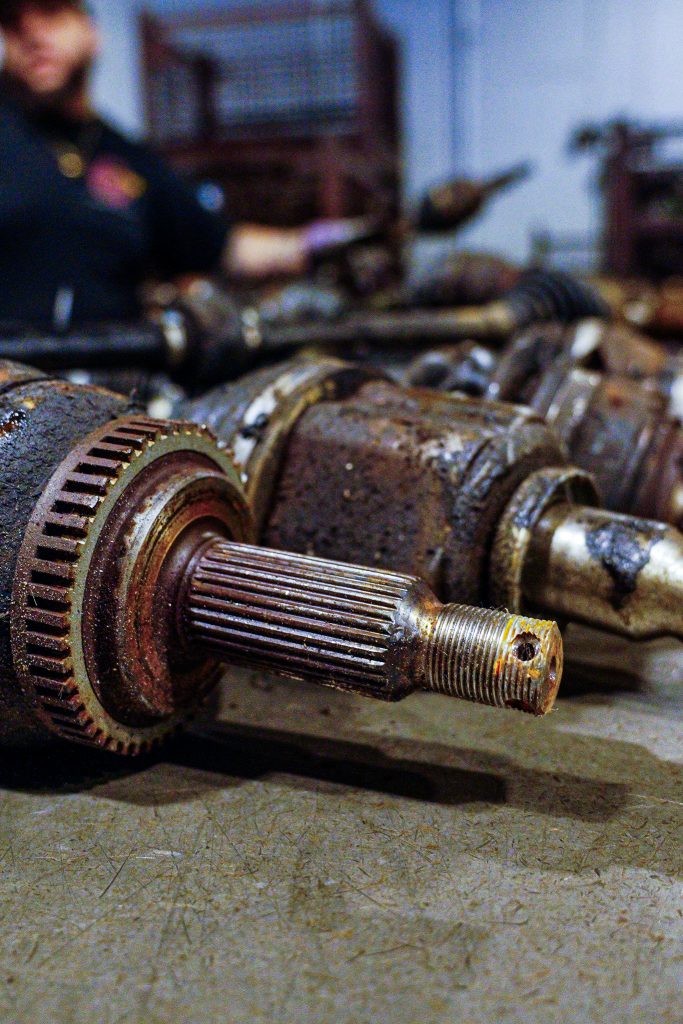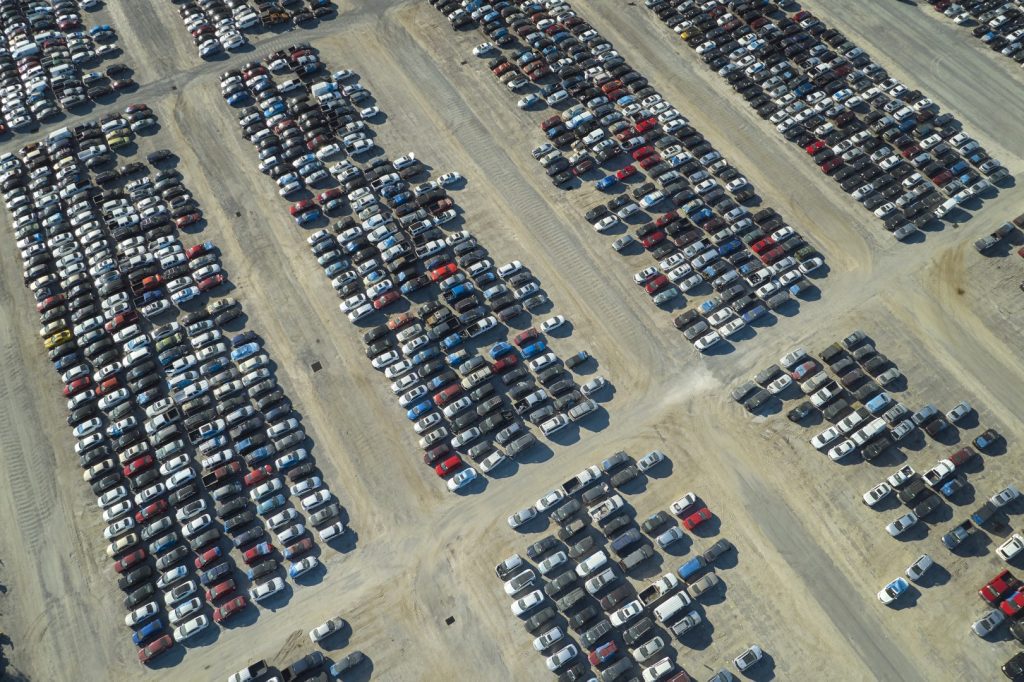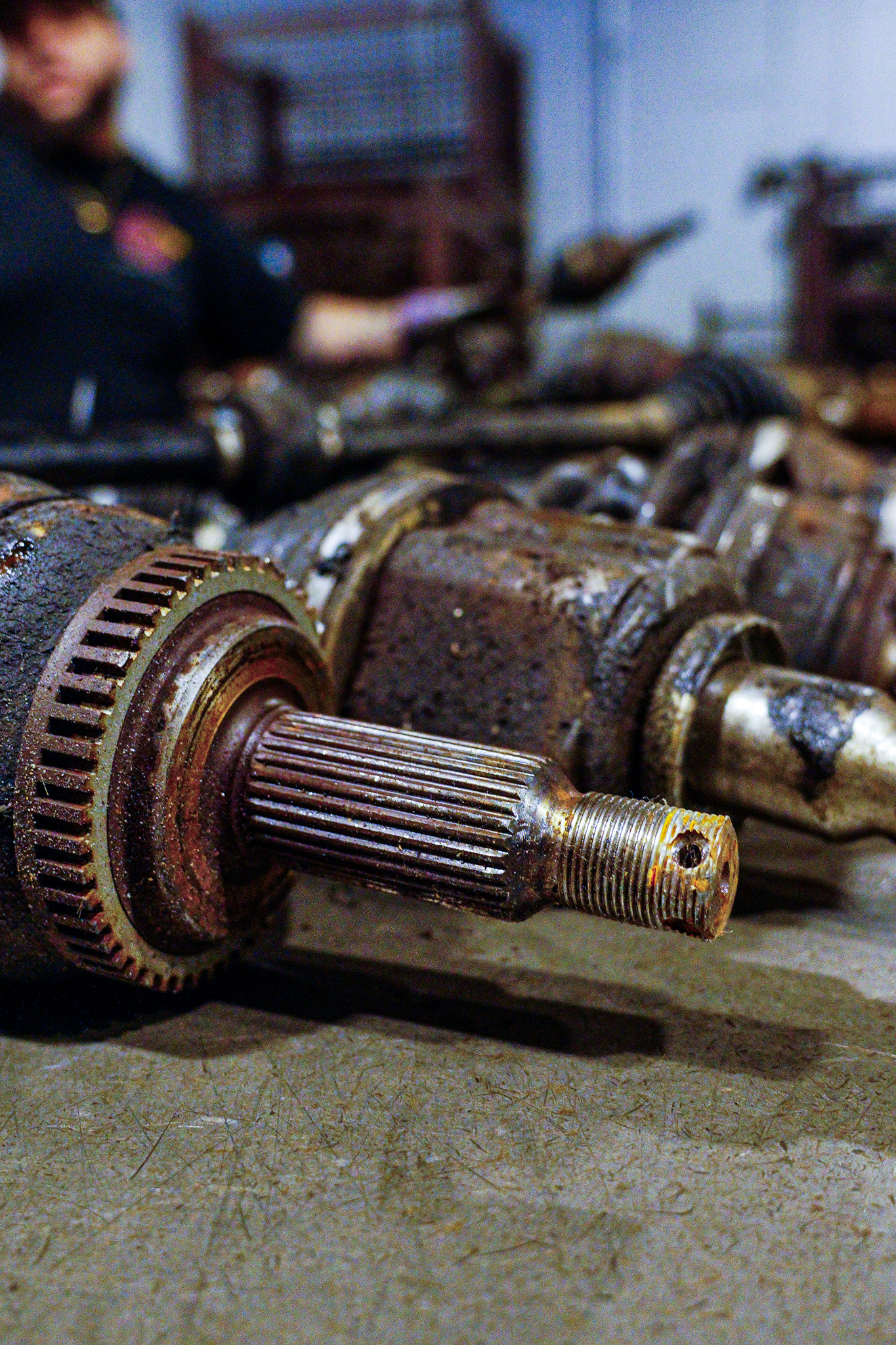
Truth be told, I’m not a core expert. I’m a recycler working at a core company. That makes me the recycler’s “inside guy,” and from the inside I see the same mistakes over and over. They aren’t made by careless people. They’re made by good people doing things the way they’ve always been done.
I call these the 7 Deadly Sins of Cores because nobody wants to waste good labor pulling a part that ends up as a deduction. Every one of them is easy to fix with a little training.
First, the sin behind the sins: old-school thinking
Some recyclers still think of cores as alternators, starters, and A/C compressors, pulled from every car because “it’s the easiest way.” But we don’t strip every part off a vehicle to put on the shelf. We use our yard management systems to decide what’s worth pulling. Cores deserve the same treatment.
When recyclers look at our current lists, many are surprised to find EPS racks, infotainment systems, and ECMs carrying real core value. Do you still send someone out to pull a $25 alternator for a customer? Then why pull one for a core box when a higher-value part is sitting right next to it?
Think big, and think profitably. Then avoid these seven sins.
Sin #1: Shipping parts that aren’t OEM
Only OEM parts can be remanufactured. Aftermarket parts and previously rebuilt units can’t go back through the process. Train your team to look for reman stickers, paint, and non-OE markings before a part goes on the rack. It’s labor and freight you’ll never get back.
Sin #2: Sending parts that won’t turn
If it’s supposed to turn, it has to turn. A locked-up alternator, compressor, or pump can’t be remanufactured. Give the pulley a spin before the part leaves the vehicle. Five seconds of checking saves a deduction.
Sin #3: Ignoring the requested part number
When a specific part ID is requested, match it. The same vehicle can carry several versions of a part with very different core values. Take a moment to check the casting or part number against what was requested, and update your list if it doesn’t match.
Sin #4: Losing track of the stock number
Mark every core with its stock number or tag. When a core program is tied to your inventory, the stock number is how the part gets reconciled to the vehicle and the order. An unmarked part in a box of 150 is a mystery, and mysteries don’t get paid.
Sin #5: Broken housings, ports, and plugs
Cracked housings and broken ports or plugs can’t be remanufactured. Most of this damage happens during removal or packing, not in the vehicle. Take care with electronics especially. Where it’s faster and safer, cut the pigtail rather than prying on a stubborn connector, which protects the pins and plugs that make an electronic core valuable.
Sin #6: Excessive rust
Heavily rusted cores are unacceptable. Calipers are the classic example. Light surface rust is normal for a used part, but rust that has eaten into the housing or seized the piston ends the part’s second life. Leave those for scrap.
Sin #7: Packing like you’re filling a dumpster
Throwing cores into a box damages them. Parts that were in great shape when they came off the vehicle get crushed under heavier parts on the way to the remanufacturer. In my experience, about half of all deductions come from sloppy packing.
Pack like a pro:
- Stage cores on a rack near the box instead of packing as you pull.
- Load heavy-duty cores first, then medium, then light.
- Put flat cardboard between layers.
- Bubble wrap instrument clusters, infotainment units, and other parts with lenses, knobs, and plastic tabs.
- Work in a well-lit area. Cores are merchandise, not junk.
The only thing I want sloppy is my Sloppy Joes.
Turn the sins into a training habit
Every core buyer has its own quality standards beyond these basics, and you should read them. But in most cases, deductions are minimal when these seven rules are followed. When deductions do show up, your settlement statement is a training tool. Look for patterns: the same part type, the same technician, the same kind of damage. Then fix the habit, not just the box.
Post the seven sins next to your core staging area. Walk new hires through them on day one. Revisit them whenever your paid percentage slips.
| Sin | Quick check before it goes in the box |
|---|---|
| 1. Not OEM | No reman stickers, paint, or aftermarket markings |
| 2. Won’t turn | Spin the pulley |
| 3. Wrong part ID | Match casting / part number to the request |
| 4. No stock number | Tag or mark every core |
| 5. Broken housing or plug | Inspect housing, ports, and pins; cut pigtails |
| 6. Excessive rust | Check calipers and exposed housings |
| 7. Sloppy packing | Heavy to light, cardboard between layers, wrap electronics |
Back to the full guide: Auto Core Competency
Questions about a deduction on your last box? Talk to the RAS cores team.